
7 Common Wire Grid Paneling Mistakes That Make Stores Look Cluttered
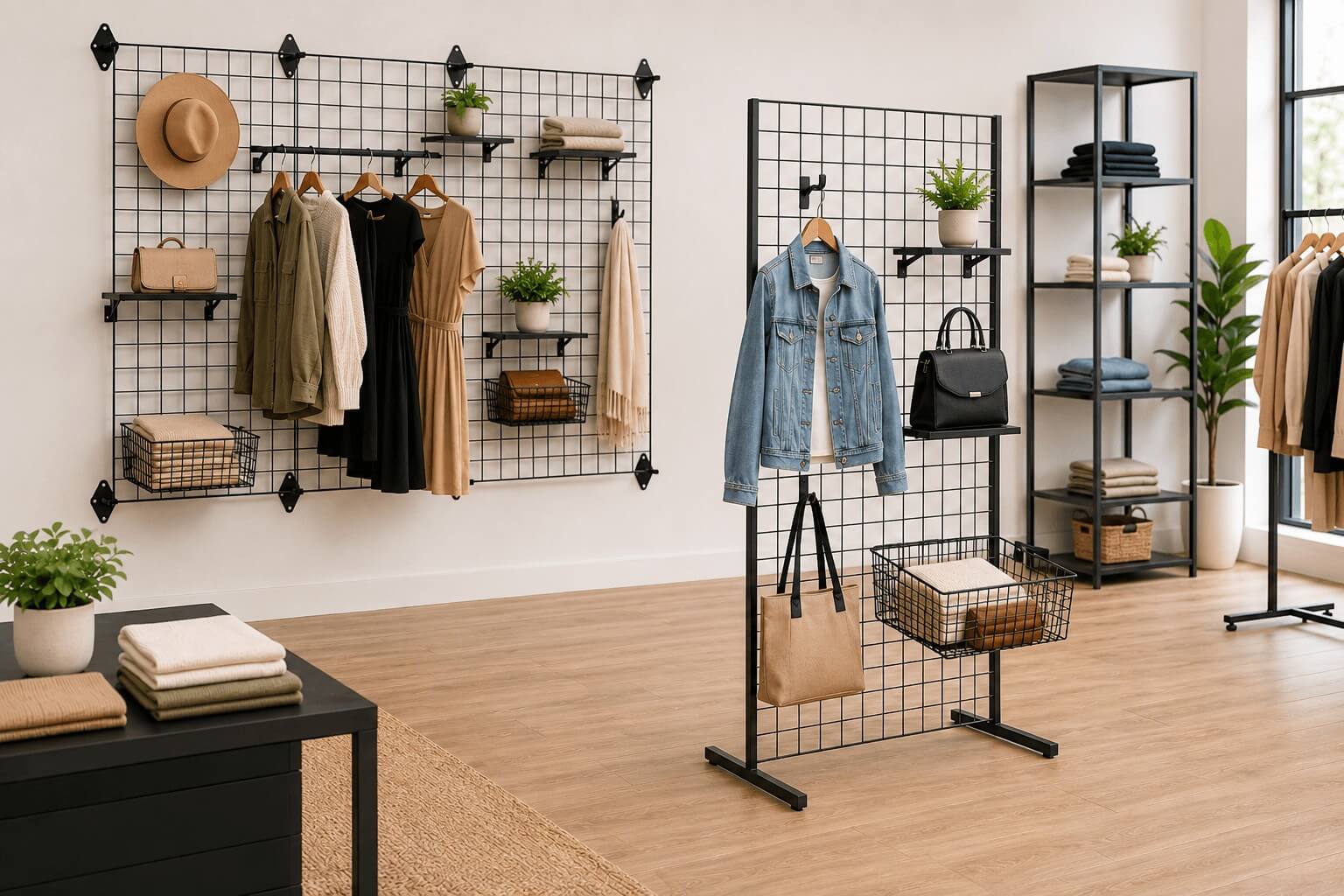
Wire grid panels offer retailers incredible versatility for displaying merchandise, but many stores unknowingly make critical mistakes that create a cluttered, unprofessional appearance. These common mistakes retail owners make can turn an organized display system into a confusing maze that drives customers away.
Understanding and avoiding these Grid Wall & Wire Grid merchandising tips will transform your store's appearance and boost sales. Let's explore the seven most frequent retail display errors and how to fix them.
Mistake 1: Using Mismatched Finishes Throughout the Store
One of the most noticeable gridwall display mistakes is mixing different metal finishes without a clear design strategy. Walking into a store with chrome hooks next to black brackets and white grid panels creates visual chaos.
This inconsistency happens when retailers purchase accessories piecemeal over time or try to save money by mixing budget and higher-end pieces. The result is a disjointed look that makes even quality merchandise appear cheap.
The Fix: Establish a Consistent Color Palette
Choose one primary finish for your entire grid system. Chrome offers a modern, upscale appearance, while black provides a contemporary, sophisticated look. White finishes work well in boutiques targeting younger demographics.
When expanding your display, invest in matching accessories like a 12 inch Shelf Bracket for Wire Grid that complements your existing setup. This creates visual continuity that makes your store appear more professional and intentional.
Mistake 2: Overloading Grid Panels with Too Many Accessories
Many retailers fall into the trap of thinking more hooks and shelves equals more merchandise display opportunities. This leads to grid panels so packed with accessories that individual products get lost in the visual noise.
Overloaded panels create several problems: customers can't focus on specific items, the display looks messy, and merchandise becomes difficult to access. This common mistake often stems from trying to maximize every square inch of wall space.
The Fix: Embrace Strategic Spacing
Follow the rule of thirds when placing accessories on grid panels. Leave adequate space between hooks and shelves to let each product breathe. This negative space actually draws more attention to your merchandise.
Consider using Wire Grid Baskets & Bins that create organized product groupings rather than scattered individual items.
Mistake 3: Ignoring Weight Distribution and Load Limits
Wire grid panels have weight limits, but many retailers ignore these specifications until accessories start sagging or pulling away from the wall. This creates both safety hazards and an unprofessional appearance.
Heavy items concentrated in one area can warp the grid panel over time. This is particularly problematic when displaying items like heavy coats, boots, or multiple accessories on a single hook.
The Fix: Distribute Weight Evenly
Check manufacturer specifications for weight limits on both the panels and individual accessories. Spread heavier items across multiple points rather than concentrating them in one area.
Use appropriate accessories and displays for heavier merchandise. A 2 x 4 Foot Grid Gondola Unit can provide support for heavier items while maintaining the flexibility of the grid system.
Mistake 4: Poor Height Planning and Eye-Level Merchandising
Many stores install grid panels without considering optimal viewing heights for their target customers. Placing key merchandise too high or too low reduces visibility and sales potential.
This boutique wall display mistake often occurs when retailers focus on maximizing wall coverage rather than strategic product placement. The result is important items positioned where customers won't naturally look.
The Fix: Plan for Customer Sight Lines
Position your most important merchandise at eye level for your target demographic. Adult eye level typically ranges from 57 to 63 inches from the floor, while children's products should be positioned lower.
Create visual hierarchy by placing premium items in the prime viewing zone and using the upper and lower areas for accessories or secondary products. This approach guides customer attention naturally through your display.
Mistake 5: Inconsistent Hook and Accessory Angles
Randomly placed Wire Grid Peg Hook and Faceouts create a chaotic appearance that makes merchandise look haphazard. This wire grid merchandising mistake happens when staff members install accessories without considering the overall visual flow.
The Fix: Standardize Installation
Establish clear guidelines for hook and accessory installation. Train staff to install all accessories evenly and in rows. This small detail creates a polished, professional appearance that makes your merchandise look more appealing and organized.
Mistake 6: Neglecting Regular Maintenance and Updates
Grid panel displays require ongoing maintenance, but many retailers set them up once and forget about them. Dust accumulation, loose connections, and worn or damaged accessories create a shabby appearance over time.
This retail display error becomes particularly noticeable in high-traffic areas where constant use can loosen connections and cause accessories to shift or sag.
The Fix: Implement Regular Display Maintenance
Schedule weekly display maintenance checks. Tighten loose Wire Grid Panel Connectors, clean dust from panels and accessories, and replace worn components promptly.
Keep spare accessories on hand for quick replacements. Having backup items like an 8 inch Peg Hook for Wire Grid ensures you can maintain professional displays even during busy periods.
Mistake 7: Failing to Create Visual Breathing Room
The biggest common grid panel mistakes retail stores make is treating every inch of grid panel as space that must be filled. This approach creates overwhelming displays that exhaust customers visually.
Cramped displays also make it difficult for customers to focus on individual products. When everything competes for attention, nothing stands out, reducing the effectiveness of your merchandising efforts.
The Fix: Design with Negative Space
Plan your displays with intentional empty space. This negative space serves as visual rest areas that help customers process what they're seeing without feeling overwhelmed.
Group related items together with clear spacing between different product categories. This organization helps customers navigate your store more easily and makes individual products more noticeable.
Creating Professional Grid Panel Displays
Avoiding these wire grid merchandising mistakes requires planning, consistency, and regular maintenance. Start by auditing your current displays against these seven common errors.
Focus on one area at a time rather than trying to fix everything at once. This approach allows you to see the impact of changes and refine your techniques before applying them throughout the store.
The Impact on Sales and Customer Experience
Well-executed grid panel displays do more than just look professional. They guide customer traffic flow, highlight key merchandise, and create an environment where customers feel comfortable browsing.
When you eliminate these common gridwall display mistakes, customers can focus on your products rather than being distracted by cluttered, inconsistent displays. This improved shopping experience directly translates to increased dwell time and higher conversion rates.
Professional-looking displays also build customer confidence in your brand. Shoppers associate organized, clean presentations with quality merchandise and reliable service, making them more likely to make purchases and return for future shopping trips.
Written by Kris Boettigheimer
Purchasing Assistant
Kris brings over 32 years of retail industry experience and more than 20 years at Store Supply Warehouse to every article he writes for storesupply.com. Since joining SSW in 2005, Kris has worked across multiple departments — including six years in Sales/Customer Service, where he helped independent retailers and small business owners find the right store fixtures, retail displays, and merchandising supplies to improve their store layouts and drive sales. For the past 15+ years in SSW's Purchasing Department, he has collaborated with suppliers, tracked market trends, and sourced products across all three Store Supply divisions. Today, Kris channels that hands-on experience into content that helps retailers enhance store presentation, discover new display solutions, and make smarter product decisions