
Your First Gridwall Setup: A Room-by-Room Retailer Walkthrough
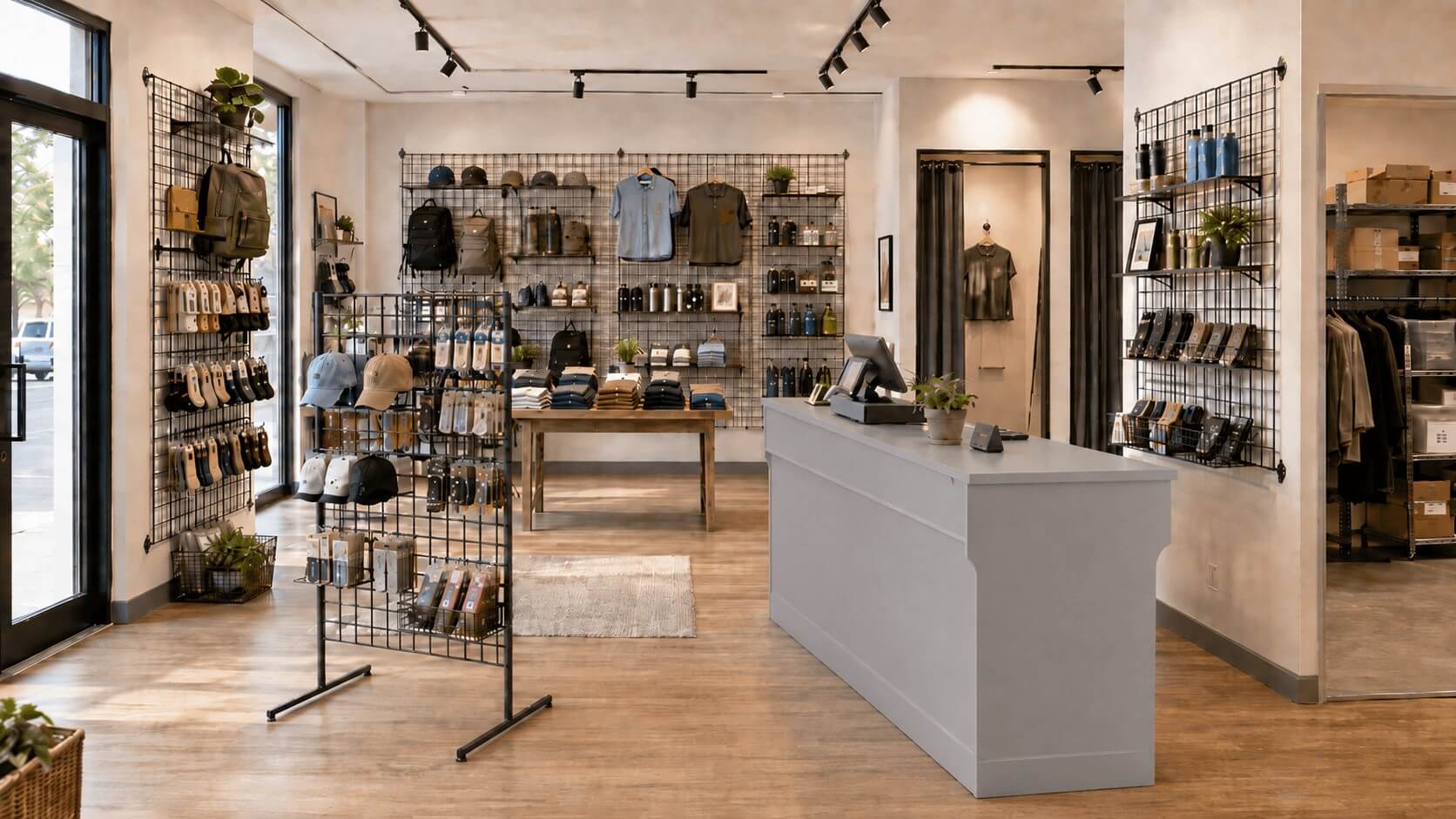
Setting up Grid Wall Panels for retail stores can transform your small business into an organized, professional shopping destination. This comprehensive guide walks first-time gridwall buyers through every room of their store, helping you make smart placement decisions before investing in your first panels and accessories.
Planning Your Wire Grid Panels for Display
Before purchasing any fixtures, measure each room and sketch your floor plan. Mark windows, doors, electrical outlets, and existing fixtures. This planning prevents costly mistakes and ensures your gridwall system works with your space, not against it.
Consider traffic flow patterns. Customers should move naturally through your store without feeling crowded or confused. Place your most attractive merchandise at eye level on gridwall panels positioned along main walkways.
Calculating Panel Requirements
Most retail stores need a mix of wall-mounted and freestanding gridwall units. For wall mounting, measure available wall space and subtract 12 inches on each end for proper spacing. Divide the remaining width by panel width (24 inches) to determine how many panels you need.
Freestanding units work well for creating merchandise islands or dividing large spaces. 2 x 4 Foot Grid Gondola Units provide stability and create effective displays without requiring wall mounting.
Front of Store: First Impressions Matter
Your entrance sets the tone for the entire shopping experience. Position Wire Grid Displays | Store Supply Warehouse featuring seasonal merchandise or new arrivals within the first 10 feet of your entrance. This immediately shows customers what you offer while drawing them deeper into your store.
Keep entrance gridwall displays simple but impactful. Use no more than three different accessory types per panel to avoid visual confusion. Featured items should be current, clean, and represent your brand well.
Window Display Integration
If your windows face the street, coordinate gridwall displays with window merchandise. This creates visual continuity and helps customers locate featured items once they enter your store. Position complementary products on nearby gridwall panels to encourage additional purchases.
Main Sales Floor: Maximizing Retail Wall Fixture Setup
The main sales floor handles your heaviest merchandise volume, making efficient gridwall placement crucial. Create clear sight lines from the checkout area to all gridwall displays for theft prevention and customer service.
Group related merchandise on adjacent panels. For example, position accessories near clothing or complementary items within arm's reach of each other. This encourages multiple purchases and makes shopping more convenient.
Accessory Selection for High-Traffic Areas
Choose durable accessories that withstand frequent handling. 24 x 12 inch Laminated Melamine Shelves support heavier items better than plastic alternatives, while chrome finishes resist fingerprints and maintain their appearance longer.
Install accessories at varying heights to create visual interest and accommodate different product sizes. Mix Shelves for Wire Grid Panels and Displays, Wire Grid Peg Hook and Faceouts, and Wire Grid Baskets & Bins on the same panel for versatile merchandising options.
Checkout Area: Strategic Last-Minute Display
Position smaller gridwall panels near your checkout counter for impulse purchases. These displays should feature lightweight, affordable items that customers can easily grab while waiting in line.
Keep checkout gridwall simple and uncluttered. Too many options create decision paralysis rather than encouraging purchases. Focus on 3-5 carefully chosen impulse items that complement your main merchandise.
Behind-Counter Storage
3 x 3 Black Wire Storage Cubes work well behind checkout counters for organizing supplies, bags, or reserve inventory. Their compact size fits tight spaces while keeping essentials within easy reach.
Fitting Rooms: Private Space Considerations
Install gridwall panels outside fitting rooms to display related merchandise. Customers trying on clothing are prime candidates for accessory purchases, making this valuable retail real estate.
Use gridwall for size exchanges and alternative color options. Stock multiple sizes of popular items on nearby panels so customers don't need to leave the area to find different sizes.
Privacy and Safety
Ensure gridwall displays don't compromise fitting room privacy or block emergency exits. Position panels to enhance the fitting area experience without creating security concerns or code violations.
Back Room: Storage and Organization
Don't overlook your storage areas when planning gridwall installation. Back room gridwall keeps inventory organized and accessible while maximizing vertical storage space.
Use gridwall panels with shelves to create flexible storage systems. You can easily reconfigure shelving as inventory needs change throughout different seasons.
Receiving and Processing
Install gridwall near your receiving area for temporary storage of new merchandise before it reaches the sales floor. This keeps boxes and loose items organized during busy receiving periods.
Common First-Time Mistakes to Avoid
New retailers often purchase too many accessories initially. Start with basic hooks, shelves, and baskets, then add specialized accessories as you learn what works best for your merchandise and customers.
Avoid placing tall gridwall panels where they block natural light or create dark corners. Customers avoid poorly lit areas, reducing the effectiveness of your displays.
Overcrowding Issues
Leave adequate space between gridwall panels for customers to browse comfortably. A good rule of thumb: if two customers can't pass comfortably between displays, you need more space.
Budget-Friendly Phased Installation
You don't need to install your complete gridwall system immediately. Start with high-impact areas like the entrance and main sales floor, then expand to other areas as budget allows.
Focus initial purchases on versatile accessories that work with multiple product types. Gridwall accessories from Store Supply Warehouse offer professional quality at competitive prices, helping you create impressive displays without overspending.
Maintenance and Long-term Success
Regular gridwall maintenance keeps your displays looking professional and functioning properly. Wipe panels weekly with appropriate cleaners and check accessory connections monthly for safety and stability.
Rotate merchandise regularly to maintain customer interest and prevent dust buildup on products. Fresh displays encourage repeat visits and demonstrate that your business stays current with trends.
Your first retail store fixtures set the foundation for long-term success. Take time to plan carefully, start with quality basics, and expand thoughtfully as you learn what works best for your specific business and customer base.
Written by Kris Boettigheimer
Purchasing Assistant
Kris brings over 32 years of retail industry experience and more than 20 years at Store Supply Warehouse to every article he writes for storesupply.com. Since joining SSW in 2005, Kris has worked across multiple departments — including six years in Sales/Customer Service, where he helped independent retailers and small business owners find the right store fixtures, retail displays, and merchandising supplies to improve their store layouts and drive sales. For the past 15+ years in SSW's Purchasing Department, he has collaborated with suppliers, tracked market trends, and sourced products across all three Store Supply divisions. Today, Kris channels that hands-on experience into content that helps retailers enhance store presentation, discover new display solutions, and make smarter product decisions.