How to Buy the Right Mannequin: A First-Timer's Decision Framework
Buying your first mannequins can feel overwhelming. With dozens of styles, sizes, and finishes available, making the wrong choice can lead to displays that don't work with your merchandise or store aesthetic. This guide walks you through each decision so you select mannequins that showcase your products effectively and attract customers.
Understanding Your Store's Mannequin Needs
Before browsing mannequin options, evaluate your specific requirements. Consider your target demographics, merchandise types, and space constraints. A children's boutique needs different mannequins than a formal wear shop or athletic store.
Start by identifying your primary merchandise categories. Full-body mannequins work well for complete outfit displays, while specialized forms like an Economy Female Plastic Shirt Form focus attention on specific garments.
Mannequin Types and Their Best Applications
Full-Body Mannequins
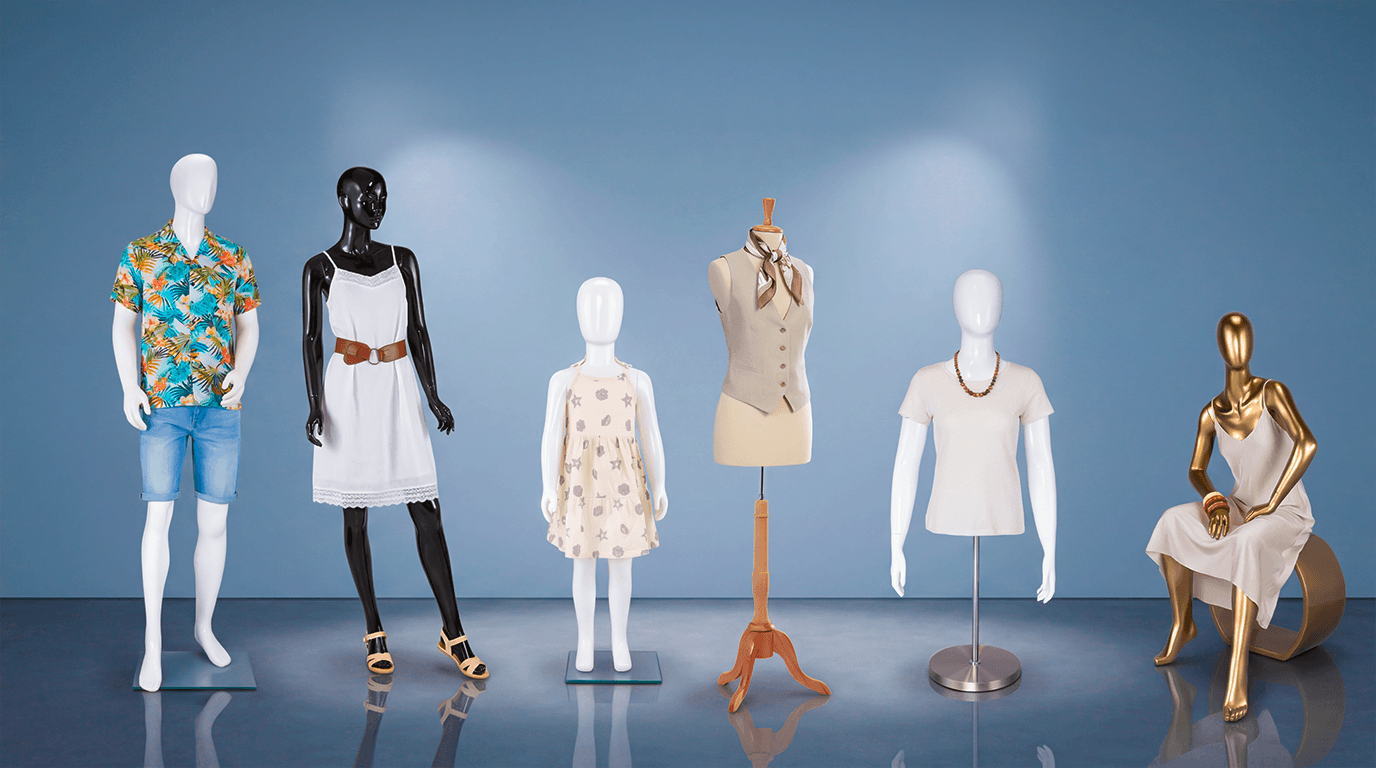
Full-body mannequins create dramatic focal points and showcase complete outfits. They work best in larger stores with ample floor space and higher-end merchandise. Use them for window displays, store entrances, or featured collection areas.
These mannequins require more investment but deliver stronger visual impact. They're ideal for fashion retailers, department stores, and boutiques targeting style-conscious customers.
Partial Body Forms
Torso forms and shirt forms offer focused presentations for specific garments. They cost less than full-body options and work well in smaller spaces. Economy Mannequin Forms | Store Supply Warehouse excel at displaying button-downs, polo shirts, and lightweight tops without overwhelming your display area.
Consider partial forms when you need multiple display points, have limited space, or want to highlight specific product features rather than complete outfits.
Abstract vs. Realistic Styles
Abstract mannequins feature simplified forms without detailed facial features. They direct attention on the clothing rather than the mannequin itself. Realistic mannequins include detailed faces and natural proportions, creating a more lifelike presentation.
Abstract styles work well for most retail applications, while realistic mannequins suit upscale boutiques and brands emphasizing lifestyle or emotional connections.
Size and Proportion Considerations
Mannequin sizing directly impacts how your clothing looks and fits. Standard women's mannequins typically represent size 6-8, while men's forms represent size 40-42. However, consider your customer base when selecting sizes.
Height also matters for display proportions and sight lines. Taller mannequins create more dramatic presentations but may overwhelm smaller stores. Standard female mannequins measure 5'8" to 6', while male versions range from 6' to 6'2".
Material and Finish Selection
Fiberglass Mannequins
Fiberglass Mannequins offer durability and versatility. They resist damage from handling and transportation, making them a cost-effective long-term investment.
Fiberglass works well for most retail applications, particularly stores that change displays frequently or need mannequins that withstand regular handling.
Plastic Mannequins
Plastic Mannequins cost less than fiberglass, but are be more prone to damage over time. They work well for budget-conscious retailers or for temporary displays.
These materials suit stores with lower traffic, temporary installations, or when working within a small budget.
Fabric-Covered Forms
Dressmaker Forms & Wire Dress Forms create softer, more approachable displays. They work particularly well for intimate apparel, luxury goods, or stores targeting a comfort-focused demographic. The fabric surface prevents garment snagging and adds textural interest to displays.
Pose and Positioning Impact
Mannequin poses communicate different messages and work better with certain merchandise types. Static poses project stability and classic appeal, while dynamic poses suggest movement and energy.
Consider your brand personality when a mannequin. Conservative retailers benefit from traditional standing poses, while athletic or youth-focused stores can use more dynamic positioning to match their brand image.
Arm positioning affects how garments hang and which accessories you can display. Mannequins with arms at sides showcase jacket silhouettes well, while extended arm poses work better for displaying bags, jewelry, or creating interaction between multiple mannequins.
Matching Mannequins to Merchandise Categories
Formalwear and Business Attire
Formal merchandise requires mannequins with proper proportions and professional poses. Choose realistic styles with classic positioning that emphasize garment fit and fabric drape. Avoid overly stylized or casual poses that conflict with the merchandise message.
Casual and Lifestyle Clothing
Casual wear allows more flexibility in mannequin selection. Dynamic poses can emphasize the comfortable, active lifestyle associated with casual clothing. Mix different styles to create a more engaging, varied display.
Athletic and Activewear
Sportswear displays benefit from mannequins in active poses that suggest movement and energy. Choose forms with athletic proportions and dynamic positioning that reinforce the performance aspect of athletic merchandise.
Budget Planning and Investment Strategy
Mannequin costs vary significantly based on type, material, and features. Plan your budget around your most important display needs first. A few high-quality mannequins often create better impact than many lower-quality options.
Consider starting with versatile pieces that work across multiple merchandise categories. You can expand your mannequin collection as your business grows and display needs become more specific.
Factor in accessory costs like rolling bases and decorative finials that enhance functionality and aesthetic appeal. These additions can significantly improve your displays' professional appearance and operational convenience.
Practical Setup and Display Considerations
Think beyond the mannequin itself. Consider how you'll position mannequins, what backgrounds you'll use, and how lighting will affect the presentation.
Plan for storage when mannequins aren't in use. Mannequins that disassemble save storage space, while one-piece mannequins offer quicker setup but require more storage room.
Common First-Timer Mistakes to Avoid
New mannequin buyers often focus too heavily on price rather than suitability for their specific needs. A less expensive mannequin that doesn't display your merchandise effectively costs more in lost sales than a higher-priced option that drives purchases.
Avoid buying too many mannequins all at once. Start with a few key pieces and learn how they work in your space before expanding. This approach lets you refine your display strategy without overcommitting.
Don't neglect the importance of professional assembly and setup. Improperly positioned mannequins can damage merchandise or create safety hazards. Invest time in learning proper setup techniques or consider professional installation for complex displays.
Making Your Final Selection
After evaluating all factors, create a shortlist of mannequin options that meet your specific requirements. Compare how each choice aligns with your merchandise types, store aesthetic, and budget constraints.
Test different arrangements or with paper cutouts to visualize how mannequins will work in your actual space. Consider traffic flow, sight lines, and how multiple mannequins will work together in your overall display scheme.
Remember that mannequins are long-term investments that will represent your brand for years. Choose options that align with your business growth plans rather than just immediate needs. Quality mannequins that grow with your business provide better value than cheaper options requiring frequent replacement.
The right mannequin creates compelling displays that attract customers and showcase your merchandise effectively. Take time to evaluate each decision carefully, and your investment will pay dividends through improved sales and enhanced store presentation.
Written by Kris Boettigheimer
Purchasing Assistant
Kris brings over 32 years of retail industry experience and more than 20 years at Store Supply Warehouse to every article he writes for storesupply.com. Since joining SSW in 2005, Kris has worked across multiple departments — including six years in Sales/Customer Service, where he helped independent retailers and small business owners find the right store fixtures, retail displays, and merchandising supplies to improve their store layouts and drive sales. For the past 15+ years in SSW's Purchasing Department, he has collaborated with suppliers, tracked market trends, and sourced products across all three Store Supply divisions. Today, Kris channels that hands-on experience into content that helps retailers enhance store presentation, discover new display solutions, and make smarter product decisions.