
Hang It or Fold It? The Retail Merchandising Decision That Shapes Your Floor
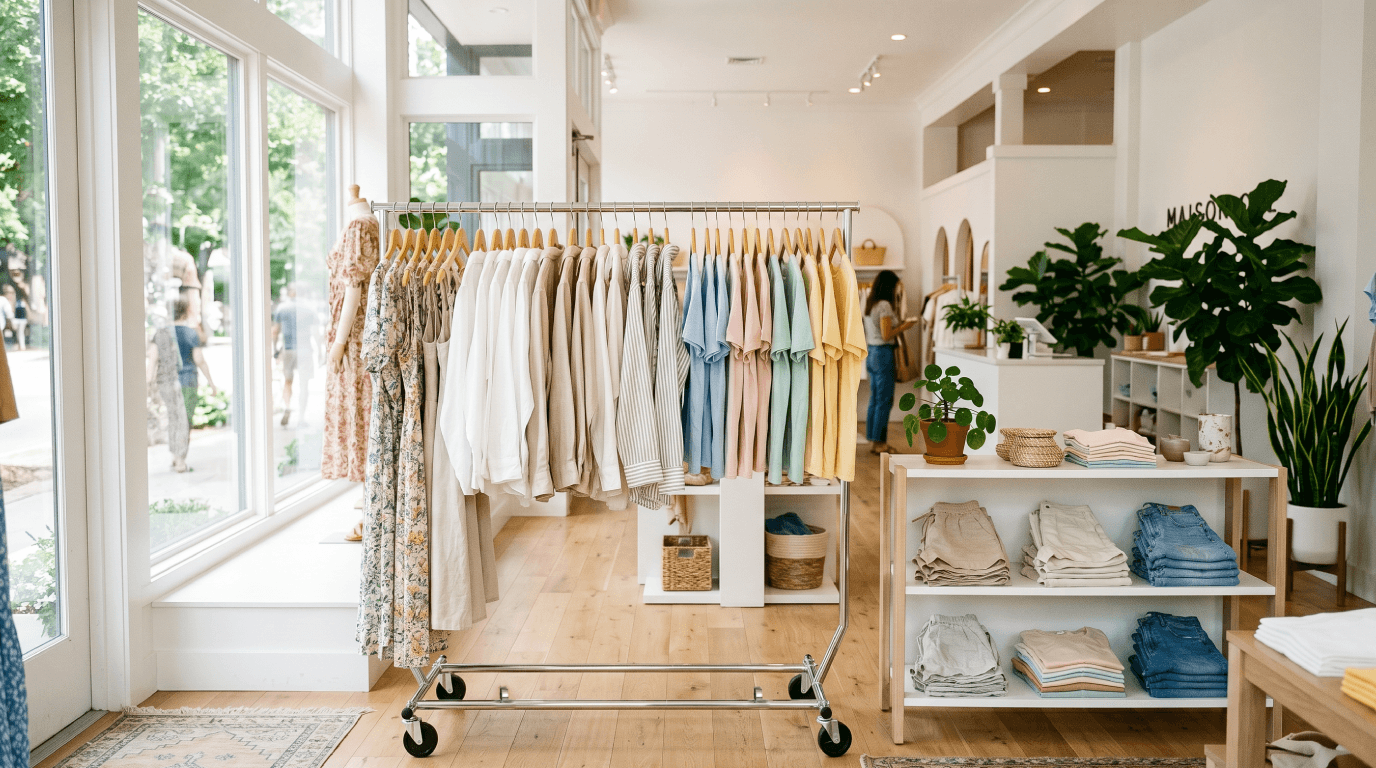
Every garment in your store presents a choice: hang it up or fold it down. This decision goes far beyond saving space. How you display clothing directly impacts customer behavior, perceived value, and ultimately, your sales numbers.
The hang vs fold merchandising strategy shapes everything from your fixture investments to customer flow patterns. When done right, it creates an intuitive shopping experience that guides customers through your store and encourages purchases.
The Psychology Behind Hang vs Fold Display Choices
Hanging merchandise creates visual drama. Garments flow naturally, showing their silhouette and drape. This presentation method works particularly well for items customers want to see in full detail before purchasing.
Folded displays communicate organization and abundance. They allow customers to quickly scan sizing and color options. Folding excels when you need to show variety within a category while maximizing inventory visibility.
Research shows that hanging items typically see 20-30% higher touch rates compared to folded alternatives. However, folded displays can showcase 3-4 times more inventory in the same floor space, making them valuable for high-volume categories.
Category-by-Category Hang vs Fold Framework
Always Hang These Items
Dresses, blazers, and formal wear should always hang. These garments lose their appeal when wrinkled or compressed. The full silhouette sells the piece, and customers need to visualize how it will look when worn.
Delicate fabrics like silk, chiffon, and knits also require hanging to maintain their shape. Quality dress hangers protect these investment pieces while presenting them attractively.
Statement pieces and higher-priced items benefit from hanging display. This presentation method signals quality and encourages customers to examine construction details and fabric quality more closely.
Strategic Folding Categories
Basic t-shirts, tank tops, and casual wear work well when folded. Customers understand these items and often prioritize color and size selection over detailed examination.
Jeans and casual pants can go either way, but folding often wins for space efficiency. Use Slatwall Shelves | Store Supply Warehouse and Slatwall Shelf Brackets | Store Supply Warehouse to create organized stacks that customers can easily browse.
Activewear and basics benefit from folded presentation when you carry multiple colors and sizes. The organized appearance appeals to customers seeking practical, everyday items.
Hybrid Approaches That Work
Many successful stores use combination displays. They hang one or two pieces to show the garment's shape, then fold additional sizes and colors nearby. This approach maximizes both visual appeal and inventory capacity.
Seasonal transitions also call for flexibility. Summer dresses might hang individually during peak season but transition to combination displays as fall merchandise arrives and space becomes a premium.
Fixture Selection Based on Your Display Strategy
Your hang vs fold decisions directly determine which fixtures you need. Hanging-heavy categories require substantial investment in Retail Clothing & Garment Racks and hanging hardware.
Plan for approximately 2-3 inches of hanging space per garment, more for bulky items like coats. 4-Way Clothing Racks work well for mixed categories, allowing you to separate items by type or size.
Folding-focused stores need robust shelving systems. Factor in shelf depth, adjustability, and weight capacity when selecting fixtures. Quality shelving systems should support fully loaded folded displays without sagging or instability.
Space Planning and Customer Flow Considerations
Retail Wall Fixtures & Display Systems require more vertical clearance but use floor space efficiently. Plan for 7-8 feet of ceiling height to accommodate full-length dresses and coats comfortably.
Folded displays need less vertical space but require broader horizontal layouts. Customers need easy access to multiple stacks, so plan aisles accordingly.
Consider sight lines throughout your store. Hanging merchandise creates a natural division and can guide customer flow. Use tall hanging displays strategically to create intimate shopping areas or direct traffic toward featured merchandise.
Managing Mixed Displays
Most stores use both hanging and folding methods. Create clear zones for each approach rather than mixing them randomly. This organization helps customers understand your store layout and find items more efficiently.
Use consistent Wholesale Clothes Hangers | Store Supply Warehouse and Slatwall Hooks and Faceouts | Store Supply Warehouse throughout hanging areas. Visual consistency reinforces your brand image and creates a professional appearance.
For folded areas, invest in proper Retail Clothing Size Dividers, as well as Tagging, Labeling & Price Tags. Clear organization encourages customers to maintain neat displays while browsing.
Seasonal and Promotional Display Strategies
Holiday seasons often call for more hanging displays to showcase gift-worthy items. Dresses, special occasion wear, and featured pieces benefit from prominent hanging presentation during peak shopping periods.
Sale merchandise typically performs better folded, allowing customers to quickly compare options and perceive value through quantity. However, maintain some hanging displays even during sales to preserve quality perception.
New arrivals deserve hanging treatment regardless of category. Showcasing these items signals freshness and encourages customers to examine new inventory closely.
Cost Analysis: Investment vs Return
Hanging fixtures generally require higher initial investment but last longer with proper maintenance. Quality Retail Clothing & Garment Racks | Store Supply Warehouse can serve your store for years with minimal maintenance.
Folding displays need frequent restocking and maintenance but accommodate more inventory per square foot. Consider labor costs into your decision making process.
Track sales per square foot for each display methods in your store. This information can help guide future fixture investments and spacing decisions.
Implementing Your Hang vs Fold Strategy
Start with a store audit. Categorize current inventory by display method and evaluate performance. Look for opportunities to test alternative presentations for underperforming categories.
Train staff on proper folding techniques and hanging standards. Consistent execution makes any display strategy more effective. Create visual guides showing proper fold sizes and hanger spacing for different categories.
Plan fixture purchases around your refined strategy. Rather than buying a set of random fixtures, invest in systems that support your specific approach for each category.
Monitor customer behavior and sales data. The best display strategy should be shaped by your customer base, inventory, and space constraints. Be prepared to adjust based on real performance data.
The hang vs fold decision shapes your entire store layout and customer experience. By developing a strategic approach based on garment types, customer behavior, and business goals, you create displays that not only look good but drive sales effectively.
Written by Kris Boettigheimer
Purchasing Assistant
Kris brings over 32 years of retail industry experience and more than 20 years at Store Supply Warehouse to every article he writes for storesupply.com. Since joining SSW in 2005, Kris has worked across multiple departments — including six years in Sales/Customer Service, where he helped independent retailers and small business owners find the right store fixtures, retail displays, and merchandising supplies to improve their store layouts and drive sales. For the past 15+ years in SSW's Purchasing Department, he has collaborated with suppliers, tracked market trends, and sourced products across all three Store Supply divisions. Today, Kris channels that hands-on experience into content that helps retailers enhance store presentation, discover new display solutions, and make smarter product decisions.