
Why Your Store's Clothing Rack Keeps Tipping — A Retailer's Fix Guide
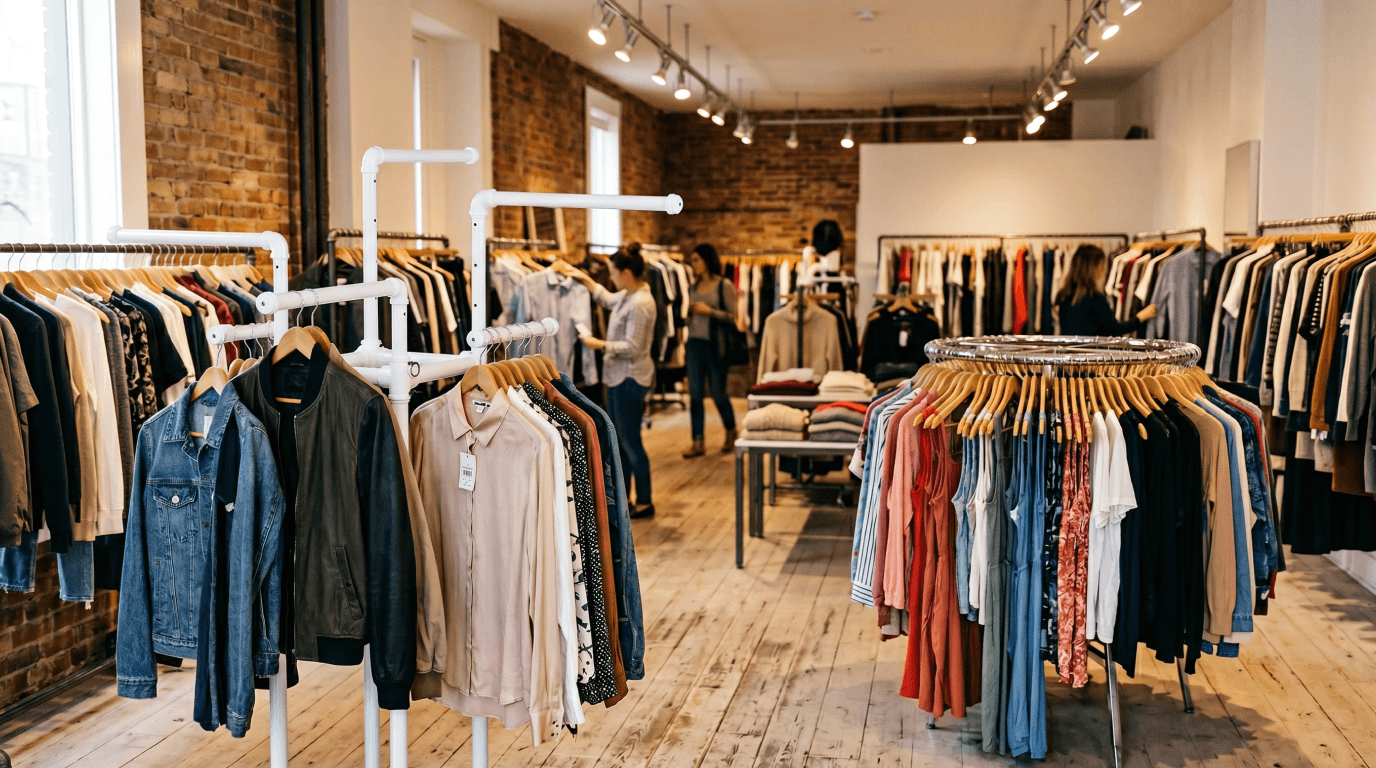
A tipping clothing rack creates immediate liability risks and damages your professional image. When customers see merchandise scattered across the floor, they question your store's safety and organization standards.
The good news? Tipping incidents are preventable once you identify the root causes and implement proper fixes.
The Hidden Culprits Behind Unstable Clothing Racks
Most retailers assume their rack is defective when it tips, but the problem usually lies elsewhere. Understanding these common causes helps you target your solution efforts effectively.
Floor Surface Issues Create Instability
Uneven floors cause more rack problems than faulty equipment. Even minor variations in floor height create wobbling that compounds with weight and movement.
- Check for loose tiles, worn carpet areas, or uneven concrete joints
- Look for subtle slopes that aren't visible but affect rack balance
- Test different floor areas by rolling an empty rack across various sections
Small adjustable feet on quality racks like the Boutique Pipe 4-Way Clothing Rack with Straight Arms help compensate for minor floor irregularities.
Weight Distribution Problems
Overloading one side while leaving other arms empty creates dangerous imbalance. This happens frequently during restocking or seasonal transitions when staff focus on filling space too quickly.
Heavy coats and jackets can amplify this problem. A single arm loaded with winter merchandise can outweigh three arms of lightweight summer clothing.
Wheel Lock Failures
Broken or neglected wheel locks allow racks to roll unexpectedly when customers browse merchandise. Staff often unlock wheels for cleaning then forget to re-engage them.
Quality wheeled racks feature reliable locking mechanisms that stay engaged during normal use.
Your Clothing Rack Safety Assessment Checklist
Use this systematic approach to identify and fix stability issues before they cause problems.
Daily Visual Inspection
Train your staff to perform quick daily checks during opening procedures:
- Verify all wheel locks are engaged on wheeled units
- Check that merchandise is distributed evenly across all arms
- Look for any visible wobbling when the rack is gently moved
- Ensure heavy items are positioned on lower portions of multi-level racks
Weekly Stability Tests
Perform more thorough weekly assessments:
- Test wheel lock functionality by attempting to roll locked racks
- Check floor contact points for all feet or wheels
- Measure weight distribution by counting hangers per arm
- Inspect rack joints and connections for looseness
Practical Solutions for Retail Fixture Stability
Once you've identified the causes, implement these targeted fixes to prevent future incidents.
Choose the Right Rack Design
Your rack selection significantly impacts stability. Clothing racks with wider bases and lower centers of gravity resist tipping better than tall, narrow designs.
For heavy merchandise, consider a Collapsible Round Clothing Rack, which utilizes 4 directional legs to distribute weight evenly.
Implement Smart Loading Practices
Create standard procedures for merchandise placement:
- Load heaviest items first on the most stable rack positions
- Distribute weight evenly across all available arms or sections
- Use Wholesale Clothes Hangers | Store Supply Warehouse that grip garments securely
- Limit the number of items per linear foot based on garment weight
Fix Floor Surface Problems
Address underlying floor issues that contribute to instability:
- Use furniture pads or adjustable feet to compensate for minor height differences
- Replace loose tiles or repair carpet areas that create uneven surfaces
- Consider relocating racks away from problem floor areas if repairs aren't feasible
Store Fixture Maintenance That Prevents Problems
Regular maintenance keeps your fixtures functioning safely and extends their useful life.
Monthly Inspections
Schedule comprehensive monthly checks that go beyond daily routines:
- Disassemble adjustable components to check for wear or damage
- Clean and lubricate wheel mechanisms and locks
- Tighten all bolts and connections that may have loosened over time
- Replace worn feet or wheels that no longer provide stable contact
Seasonal Preparation
Prepare your fixtures for changing merchandise demands:
- Reassess weight capacity needs before seasonal transitions
- Relocate racks to accommodate heavier winter merchandise
- Test stability with fully loaded seasonal displays before opening to customers
When to Replace Rather Than Repair
Some stability issues may indicate replacement is more cost-effective than continued repairs.
Replace racks that show these warning signs:
- Bent or cracked structural components that affect weight distribution
- Worn wheels that no longer lock securely
- Loose joints that require frequent tightening
- Visible lean or wobble even when properly loaded and positioned
Investing in quality fixtures and Retail Clothing & Garment Racks like those available through Store Supply Warehouse reduces long-term maintenance and liability risks.
Training Your Team for Wheeled Clothing Rack Safety
Your staff's daily actions directly impact fixture stability and customer safety.
Loading Procedures
Teach proper techniques for merchandise placement:
- Always engage wheel locks before loading or unloading merchandise
- Add items gradually while monitoring for balance
- Stop loading immediately if any wobbling or instability develops
- Use proper lifting techniques to avoid sudden weight shifts
Customer Interaction Guidelines
Train staff to watch for and prevent actions that could cause tipping:
- Politely redirect customers who lean heavily on racks
- Quickly rehang items that customers remove but don't purchase
- Monitor children who might climb on or play with fixtures
- Maintain a clear path that prevents customers from bumping into racks
Creating a Stable, Professional Shopping Environment
Stable fixtures contribute to customer confidence and sales success. When shoppers feel safe browsing your merchandise, they spend more time in your store and make more purchases.
Regular attention to clothing rack safety protects your customers, your merchandise, and your store's reputation. Your investment in proper fixtures, maintenance, and staff training pays for itself through reduced liability, fewer damaged goods, and an improved customer experience.
Start with the assessment checklist today, and address any issues promptly. Your customers will notice the difference, even if they can't articulate why your store feels more professional and trustworthy than competitors who ignore these details.
Written by Kris Boettigheimer
Purchasing Assistant
Kris brings over 32 years of retail industry experience and more than 20 years at Store Supply Warehouse to every article he writes for storesupply.com. Since joining SSW in 2005, Kris has worked across multiple departments — including six years in Sales/Customer Service, where he helped independent retailers and small business owners find the right store fixtures, retail displays, and merchandising supplies to improve their store layouts and drive sales. For the past 15+ years in SSW's Purchasing Department, he has collaborated with suppliers, tracked market trends, and sourced products across all three Store Supply divisions. Today, Kris channels that hands-on experience into content that helps retailers enhance store presentation, discover new display solutions, and make smarter product decisions.